
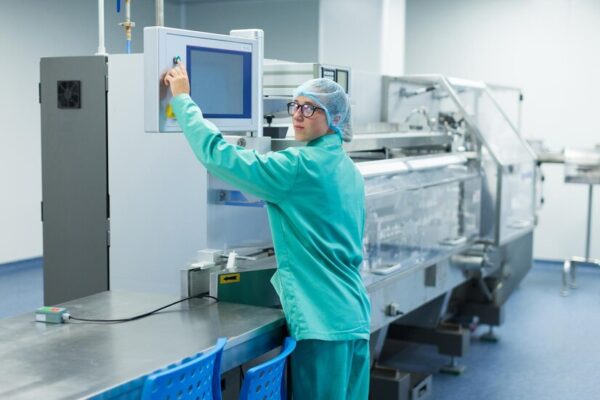
Description Certified Professional in Central Sterilization Disinfection Certified Professional in Central Sterilization and Disinfection CPCSD CPCSD is designed to equip healthcare professionals with the knowledge and skills necessary to excel in central sterilization and disinfection. The curriculum covers a wide range of topics essential for maintaining high standards of infection control and patient safety in healthcare settings. Participants will gain expertise in medical terminology, anatomy, microbiology, regulations, infection prevention, cleaning and decontamination, disinfection, surgical instrumentation, and various sterilization techniques. The course also emphasizes the importance of quality assurance, inventory management, and the role of technology in central service operations. Through a combination of theoretical knowledge and practical application, this course prepares professionals to effectively manage sterilization and disinfection processes, ensuring a safe and sterile environment in healthcare facilities. CPCSD Objectives 1. Develop proficiency in the medical terminology relevant to central sterilization and disinfection. 2. Understand human anatomy and its relevance to central service practices and procedures. 3. Recognize common microorganisms and understand their role in infection control. 4. Gain knowledge of the regulatory frameworks and standards governing sterilization and disinfection. 5. Implement strategies to prevent healthcare-associated infections. 6. Master effective cleaning and decontamination techniques for medical instruments and equipment. 7. Apply appropriate disinfection methods based on the required level of disinfection. 8. Identify and handle various surgical instruments, understanding their specific uses and care requirements. 9. Manage and maintain complex surgical instruments to ensure their proper function and sterility. 10. Assemble and package instruments and equipment according to standardized protocols to maintain sterility. 11. Perform point-of-use processing to maintain instrument integrity and sterility until use. 12. Operate and maintain high-temperature sterilization equipment and processes effectively. 13. Utilize low-temperature sterilization methods for heat-sensitive instruments and materials. 14. Ensure proper storage and transport of sterile items to maintain sterility and readiness for use. 15. Conduct monitoring and maintain accurate records of sterilization processes and outcomes. 16. Implement quality assurance practices to ensure compliance with standards and continuous improvement. 17. Efficiently manage inventory to ensure the availability of necessary supplies and equipment. 18. –Understand and support the functions of ancillary departments within the healthcare facility. 19. Leverage technology to enhance central service operations, including tracking, documentation, and process improvements. 20. Identify and mitigate safety risks within the central service department to protect staff and patients. CPCSD Outlines: – Medical Terminology for Central Service Introduction to medical terminology Terminology specific to central service operations – Anatomy for Central Service Basic human anatomy Relevance to central service practices – Microbiology for Central Service Technicians Overview of microbiology Common microorganisms in healthcare settings Infection control implications – Regulations and Standards National and international regulations Standards for sterilization and disinfection – Infection Prevention Principles of infection prevention Strategies to reduce healthcare-associated infections – Cleaning and Decontamination Cleaning techniques Decontamination processes Disinfection Levels of disinfection Methods and applications – Surgical Instrumentation Identification of surgical instruments Proper handling and care – Complex Surgical Instruments Managing complex instruments Ensuring proper function and sterility – Assembly and Packaging Standard protocols for assembly and packaging Maintaining sterility – Point of Use Processing Techniques for point-of-use processing Ensuring instrument integrity – High-Temperature Sterilization High-temperature sterilization methods Equipment operation and maintenance – Low-Temperature Sterilization Low-temperature sterilization techniques Applications for heat-sensitive instruments – Sterile Storage and Transport Principles of sterile storage Transporting sterile items – Monitoring and Record Keeping for Central Service Monitoring sterilization processes Accurate record-keeping practices – Quality Assurance Quality assurance methods Continuous improvement strategies – Managing Inventory within the Central Service Department Inventory management techniques Ensuring supply availability – The Role of Central Service in Ancillary Department Support Functions of ancillary departments Central service support roles – The Role of Technology in Central Service Technology in Central Service operations Tracking and documentation improvements – Safety and Risk Management Identifying safety risks Mitigation strategies CPCSD is designed to provide a thorough understanding of all aspects of central sterilization and disinfection, ensuring that participants are well-equipped to maintain high standards of infection control and patient safety in their healthcare facilities. Course Duration: 8 Lectures spread over 4 weeks, with each session lasting 3 hours.The flexible schedule allows professionals to manage their learning alongside their work responsibilities.
Related products
-
Word Analogies Level 8
$ 5.40Select options This product has multiple variants. The options may be chosen on the product page -
Word Analogies Level 3
$ 5.40Select options This product has multiple variants. The options may be chosen on the product page